

The idea came to me on a Monday afternoon, sitting across from Sarah—a successful attorney, mother of two, and someone who had been quietly struggling with alcohol and drug dependency for years. As she shared her story, she said something that stayed with me: “I just wish I could talk to other women who understand what it’s like to balance everything while falling apart inside.”
That conversation planted a seed. Within months, what began as a simple idea became
the Women’s Recovery Circle, a specialized therapy group for women navigating recovery. This women-specific space has proven transformative for those who walk through our doors.
The Genesis: Recognizing an Unmet Need
For years, I facilitated mixed-gender recovery groups, and while they served an important purpose, I noticed patterns. Women often hesitated to share certain experiences—the shame surrounding drinking and drug use during pregnancy, the judgment from other mothers, the intersection of alcohol and drug use with trauma or domestic situations. They’d arrive early or stay late, whispering these concerns in hallway conversations, as if the full group setting wasn’t quite safe enough.
Research supported what I was observing. Women face unique challenges in recovery: different physiological responses to drug and alcohol, higher rates of co-occurring mental health conditions like anxiety and depression, and distinct social pressures. The stigma women face for alcohol and drug abuse is often more severe, particularly for mothers. Many women I worked with described feeling like they had to be perfect—the perfect mother, partner, professional, daughter—and substance abuse had become their private coping mechanism, their shameful secret.
I knew we needed something different. Something designed specifically for the experiences
women bring to recovery.
Building the Foundation: Creating a Safe Container
Starting the group required careful consideration. I spent weeks developing the framework, consulting with colleagues who specialized in women’s issues and addiction, and reaching out to women in recovery to understand what they’d want from such a space.
We established several core principles from the start:
- Confidentiality as sacred. What’s shared in the circle stays in the circle, creating psychological safety for vulnerability.
- Trauma-informed approach. Recognizing that many women with dependency issues have histories of trauma, we built in awareness about triggers, pacing, and choice in sharing.
- Addressing the whole person. We wouldn’t just talk about drinking and drug use. We’d explore the underlying issues—relationships, identity, body image, motherhood, sexuality, work stress, grief, and the particular ways society shapes women’s experiences.
- No judgment, only curiosity. Rather than shame or criticism, we’d approach each story with compassion and curiosity about what drinking and drug use had been trying to solve.
The first meeting is scheduled for March 11th on Wednesday evenings at 7:00 pm—late enough that women could manage work and family obligations, but not so late that exhaustion would be a barrier. The only requirement to become a member in “THE WOMEN’S RECOVERY CIRCLE” is the courage to walk through the door.
The Unfolding: What Happens in the Circle
Each week, we’d open with a check-in—a simple “How are you really doing?” that invited honesty. Then we’d explore a theme or allow the conversation to flow organically based on what was alive in the room. We talked about everything: the triggers that made them want to drink or drug, strategies for coping with cravings, how to navigate social situations where everyone else seems to be enjoying the party.
But we also talked about things that are rarely discussed in mixed groups. The complicated relationship between dependency and femininity—how substances had made some women feel more confident, more sexual, more able to take up space in a world that often asks women to be small. The specific shame of being an “unfit mom.” The way substance use had been both enemy and friend during transitions like menopause. The intersection of alcohol and drug use with eating disorders, with experiences of sexual violence, with postpartum depression.
These conversations could be raw and difficult, but they were also profoundly healing. Women discovered they weren’t alone in their experiences. The shame that had kept them isolated began to dissolve in the light of shared understanding.
An Invitation Forward
The Women’s Recovery Circle continues to meet every Wednesday evening. The faces will change—some women will graduate from needing weekly support, while new women continue to find their way to us. But the essence remains the same: women gathering in authenticity and vulnerability, supporting each other through one of life’s most difficult journeys.
If you are a woman struggling with substance abuse, know this: You are not alone. The shame you carry is not yours to keep bearing. There are spaces—like this one, where your story matters, where your experience is understood, where healing is possible.
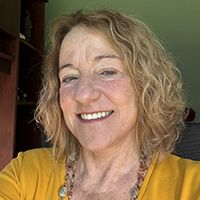 Donna May
LCADC – Licensed Clinical Alcohol & Drug Counselor
Donna brings over four decades of both clinical and personal experience, assisting individuals navigate their recovery from substance abuse and co-occurring challenges.
Developing a rapport with compassion and positive regard Donna utilizes an eclectic, evidence-based treatment for every individual. This holistic approach empowers each person to develop their own personal strengths and lead a resilient life free from substance use and/or abuse.
Acknowledging that women experience the recovery process from substance abuse differently then men, Donna focuses on their biological, psychological, social, and cultural distinctions.
Donna May is located at Starting Point, 215 Highland Ave. Suite C Haddon Township N.J. Phone (856) 854-3155. Fax (856) 854-0992
Now accepting private pay for women’s groups and individual sessions.