
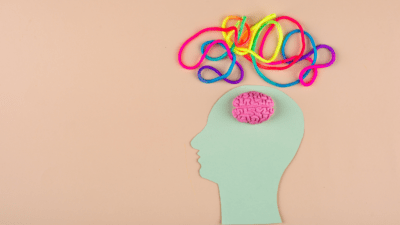
Identifying the Experience
Communication can be challenging in any relationship, but when one or more people are neurodivergent, those challenges can feel even more confusing or frustrating. You may find yourselves having the same disagreements over and over, misunderstanding each other’s tone or intent, or feeling like you’re speaking completely different languages.
Many people in neurodivergent relationships wonder: Why is this so hard, and what are we missing? The truth is, it’s not about one person being “right” or “wrong.” It’s often about differences in how communication is processed, expressed, and interpreted.
You’re not alone in this, and more importantly, it can get better.
Why It Matters
Healthy communication is the foundation of any strong relationship. For neurodivergent individuals, differences in processing speed, sensory input, emotional regulation, and social communication styles can impact how messages are sent and received.
Research and clinical experience both show that when couples and families understand these differences, they experience less conflict, stronger emotional connection, and more effective problem-solving. The goal isn’t to “fix” anyone’s communication style, but to build shared understanding and flexible strategies that work for everyone involved.
Things to do…
1. Be Clear and Direct
Hinting, implying, or expecting someone to “just know” can lead to misunderstandings. Clear, specific communication helps reduce guesswork.
Instead of: “You never help around the house.”
Try: “Can you take out the trash tonight before 8?”
2. Don’t Assume Tone Equals Intent
Neurodivergent individuals may communicate in ways that sound blunt, flat, or overly direct, but that doesn’t always reflect how they feel.
Pause before reacting and ask for clarification:
“Can you help me understand what you meant by that?”
3. Use Processing Time as a Tool, Not a Problem
Some people need more time to think, respond, or regulate emotions. That pause isn’t avoidance, it’s often necessary.
Build in space:
“Let’s take 10 minutes and come back to this.”
4. Create Communication Agreements Together
Talk about how you want to communicate, not just in the moment of conflict.
Examples:
- Preferred ways to bring up concerns
- Signals when someone is overwhelmed
- When to pause vs. continue a conversation
This creates shared expectations instead of repeated frustration.
5. Pay Attention to Sensory and Emotional Overload
Communication often breaks down when someone is overstimulated or emotionally flooded.
Look for signs like shutdown, irritability, or withdrawal.
Sometimes the most helpful response is not continuing the conversation, but taking a break and returning when both people are regulated.
6. Validate Before Problem-Solving
Many conflicts escalate because people feel unheard. Validation doesn’t mean agreement, it means acknowledging the other person’s experience.
“I can see why that felt frustrating for you.”
That simple step can shift the entire tone of a conversation.
Practitioner Insight
In my work, I often see that communication challenges in neurodivergent relationships aren’t about lack of care, they’re about mismatched styles. One person may value directness, while the other relies on tone and nonverbal cues. One may need space to process, while the other seeks immediate resolution.
When those differences are understood rather than judged, something powerful happens. People stop seeing each other as the problem and start working with each other instead. Small, intentional shifts in communication can lead to meaningful and lasting change over time.
Call to Action
If you’re navigating communication challenges in your relationship, you don’t have to figure it out alone. Support can help you build strategies that honor both your needs and your differences.
If you’re interested in learning more or exploring support, feel free to connect or schedule a consultation to get started.
For Mental Health Emergencies or Crisis Situations:
Call 911 or go to your nearest emergency room.
Kim Tribbett
MA – M.A. Clinical Mental Health Counseling
LPC – Licensed Professional Counselor in New Jersey & Delaware | Provisional LPC in Pennsylvania
NCC – National Certified Counselor
Kim graduated from Rider University in 2021 with a Master of Arts degree in Clinical Mental Health Counseling (with distinction) and also earned a graduate-level Certification in Life and Career Coaching. She welcomes clients from all walks of life with compassion, openness, and respect.